
Hardcover - Clothes make the man
by Thomas Freitag
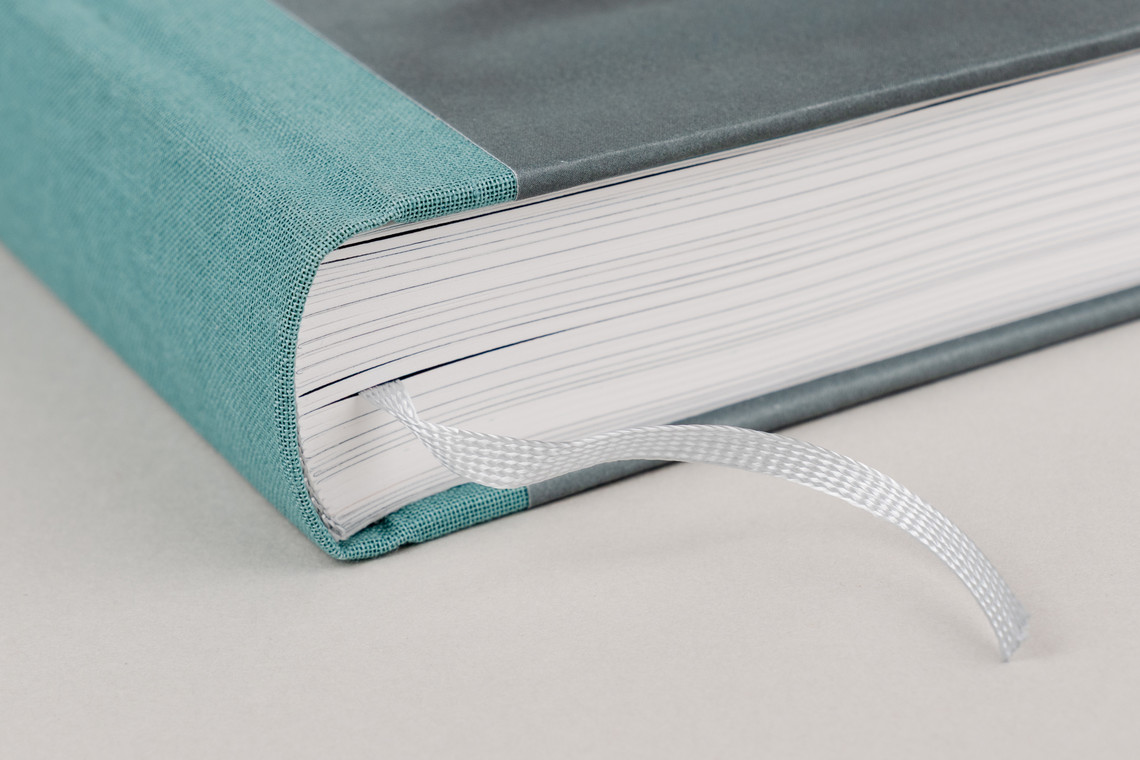
Choosing the right materials is crucial for a book to have a long ‘life’
A book cover essentially has three functions:
- To give a first tactile and aesthetic impression of the book
- To protect the contents of the book from dirt and damage
- To provide stability on the bookshelf
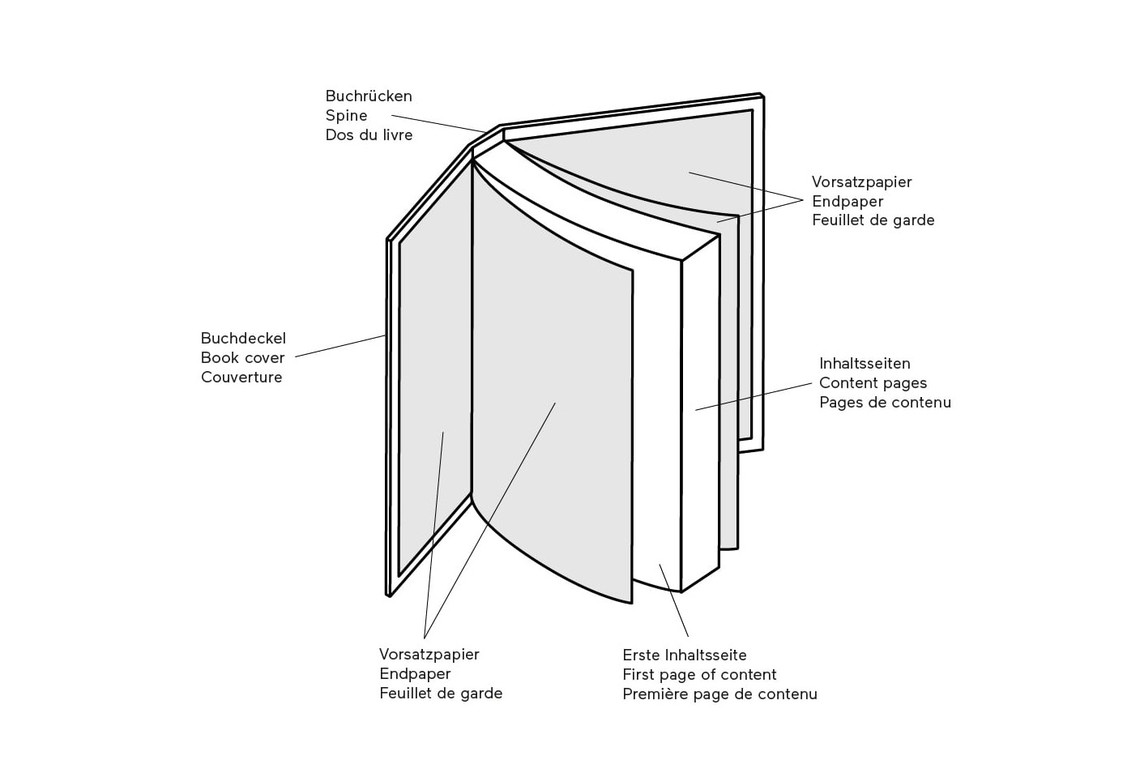
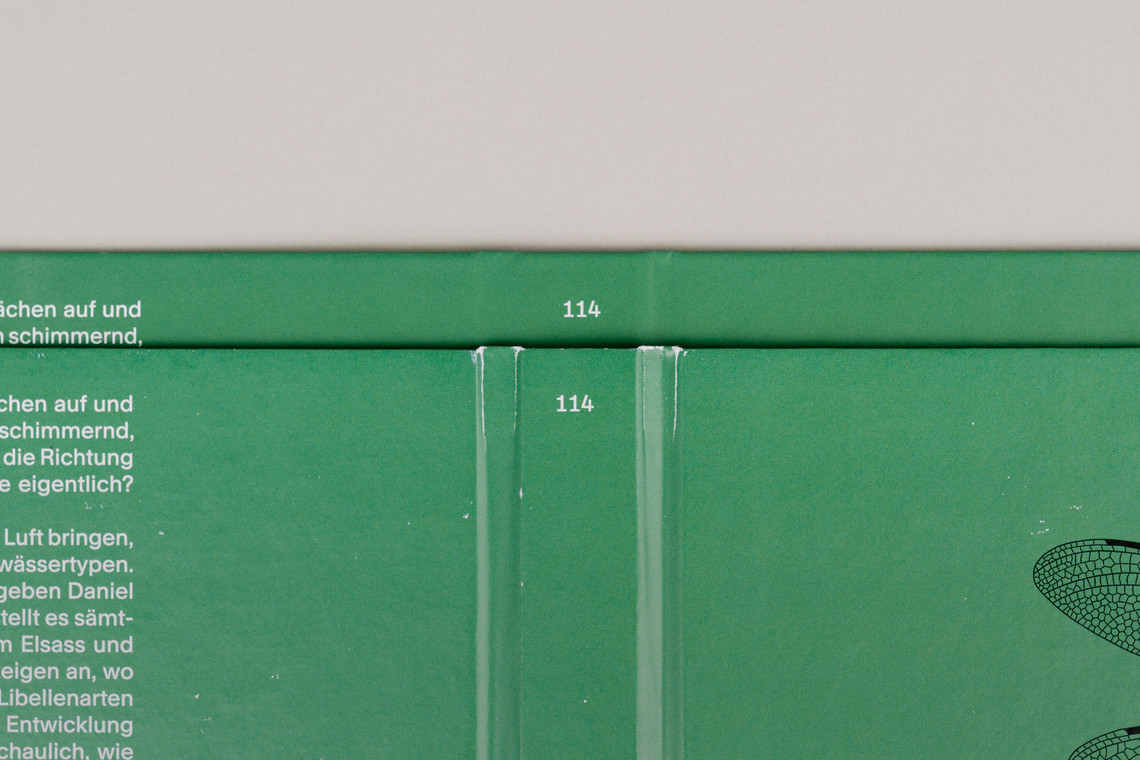
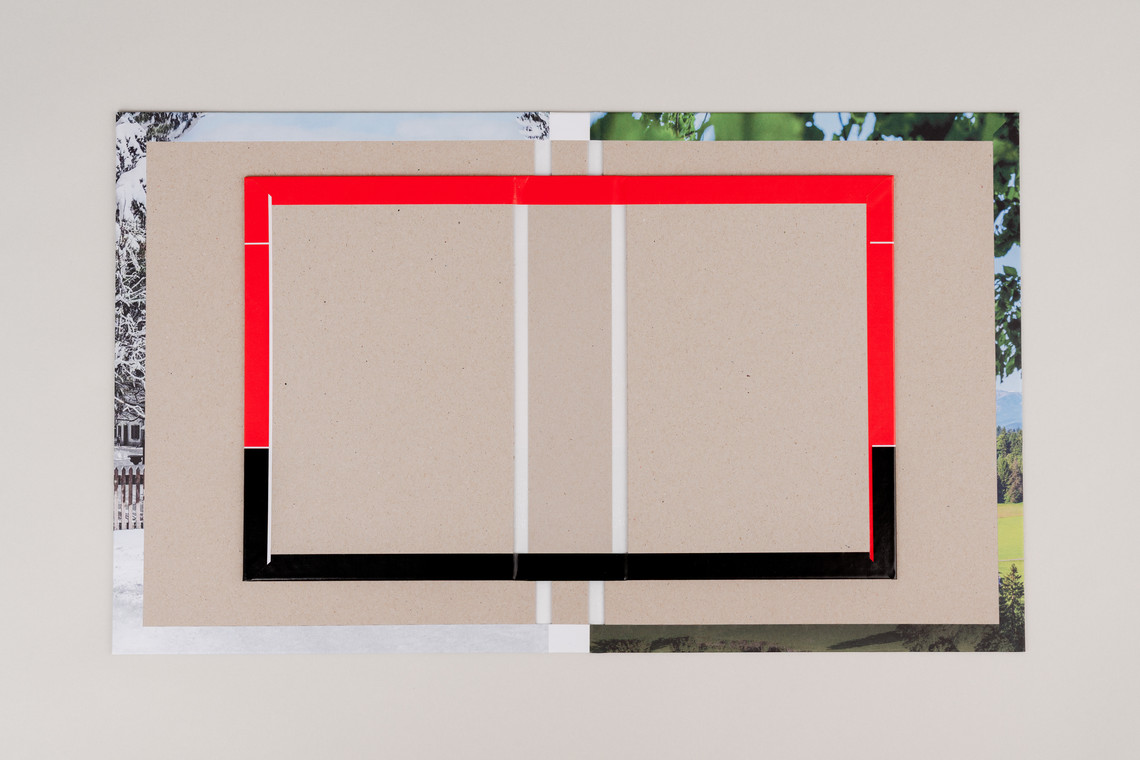
The book covers are produced separately from the book’s contents and are joined to the book block across their entire surface during final assembly by means of endpapers. To ensure that the book opens easily and without tension, a so-called heat-set fold is created in the spine area on both the front and back covers using a heated rail. This acts as a hinge for the front and back covers.
The choice of materials is key to the book’s durability
The material used for the book cover should be suited to the thickness of the book block and the book’s format.
Since the 19th century, fabric and paper have been used for book covers, as the leather and parchment originally used were too expensive and too labour-intensive to work with.
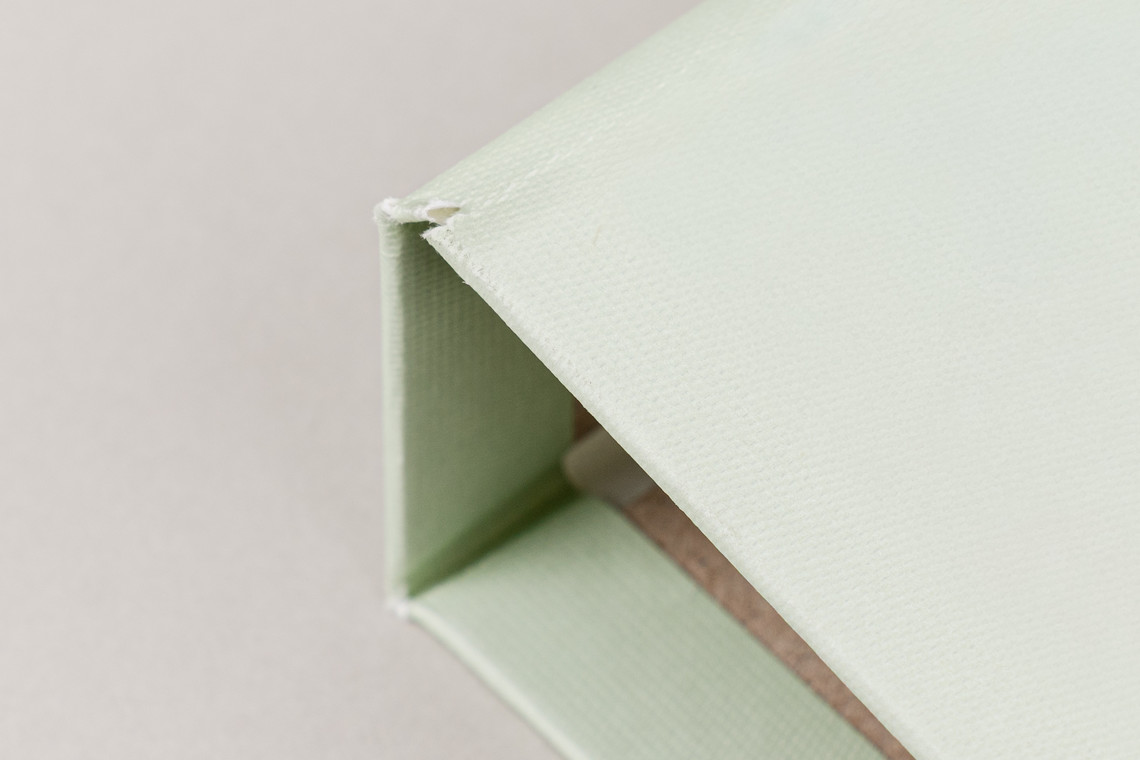
When it comes to the materials used today, the focus is not only on industrial processability and material costs, but also, in particular, on tactile quality, aesthetics and durability. To meet these requirements, the careful selection of suitable, high-quality materials is crucial. The question of tear and flex resistance in the hinge area is also central to a high-quality book. In books subject to heavy wear, such as teaching materials, damage usually first occurs in the hinge area, as well as on the cover lining, the fold or the endpapers.
This demonstrates how important the use of high-quality materials is for endpapers and cover linings. Not every type of paper is therefore suitable for use as cover paper. Ideally, it should be dyed throughout the pulp, tough, long-fibred, tensile and foldable, so that the finished book cover does not tear during production or in use. At the same time, it should be resistant to abrasion and other mechanical damage.
The correct direction of reading improves the book’s durability
Another key quality criterion is the direction of the paper fibres: in both the endpapers and the cover material, these must always run parallel to the spine. This significantly improves the book’s durability and reduces the risk of warping or damage.
In many cases, standard papers are laminated with high-quality films to protect them from mechanical stress and to increase their durability. Materials that combine high structural strength with low springback are particularly suitable for unlaminated book covers. Based on our experience, we recommend Surbalin and Wibalin, which have been specially developed for this purpose.